 Back to Projects
Back to Projects
Back to Projects
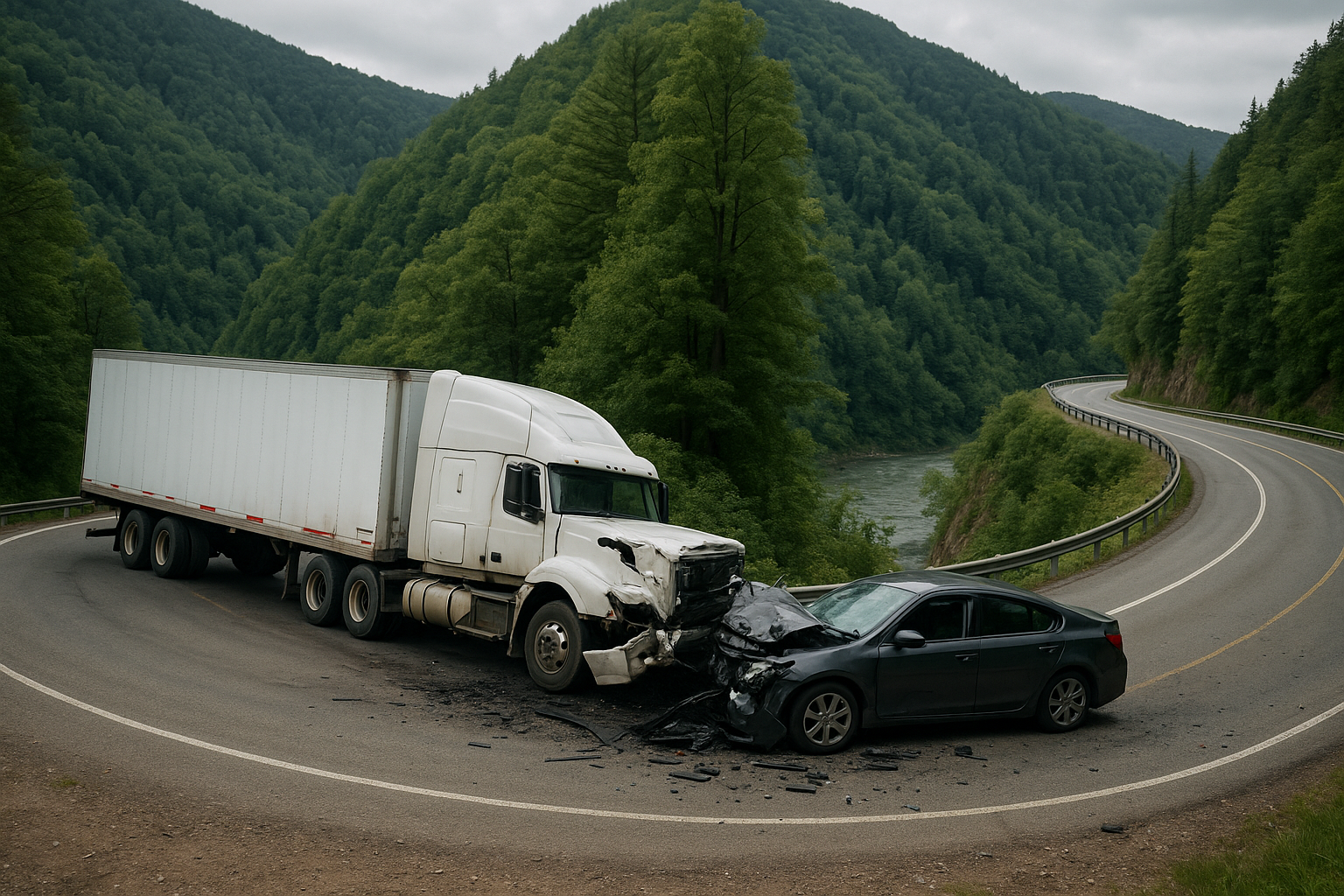
Image Courtesy: Sora AI
Picture: U-Turn Accident in a Hilly Area
U-turns on Nepal’s winding mountain roads are deceptively dangerous. Picture a narrow, two-lane ribbon of pavement clinging to a steep hillside, hemmed in by rock faces on one side and sheer drops on the other. As a vehicle slows to negotiate a tight, often unbanked curve, its rear end swings wide—sometimes into the path of oncoming traffic. Limited sight-distance around blind bends means drivers rarely have time to react, and without continuous guardrails or reliable road-edge markings, a small misjudgment can send a vehicle careening down dozens of meters into ravines below.
During the monsoon season, when narrow shoulders erode and mud deposits make even paved surfaces slippery, these U-turn spots become even more treacherous. Heavy rains can wash debris onto the road or obscure worn-away lane lines, and low-hanging clouds or fog reduce visibility to just a few meters. Local bus operators, truck drivers hauling supplies, and private motorists all share the same precarious corners—and despite warning signs, drivers unfamiliar with the road’s geometry often approach too fast. The combination of gravity-fed momentum, inadequate signage, and roadside hazards turns what should be a routine maneuver into a catastrophic risk—one that poses a persistent threat to life and livelihoods in Nepal’s highlands.
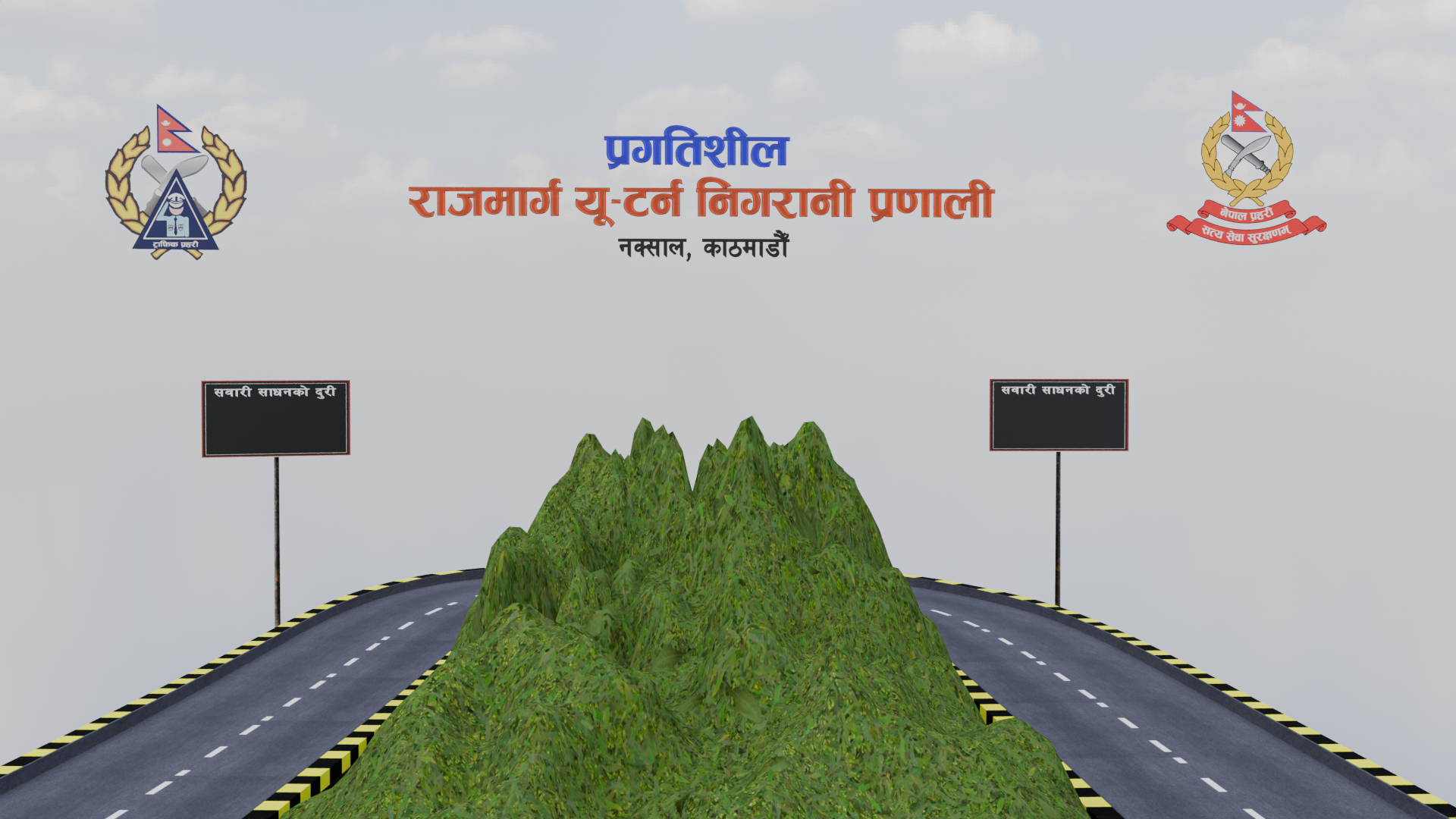
Picture: Pragatisheel U-Turn Accident Prevention System in Action
The Pragatisheel U-Turn Accident Prevention System combines onboard vehicle sensors with roadside communication beacons to continuously evaluate the safety of U-turn maneuvers. By monitoring speed, traction, and line-of-sight clearance, the system issues timely visual and auditory alerts through an in-dash display and speaker, prompting drivers to reduce speed or delay the turn until conditions improve.
We demonstrated our Pragatisheel U-Turn Accident Prevention System in LOCUS 2024 at IOE, Pulchowk Campus
Video Courtesy: IDS Media Network
In a pilot project along a 5 km mountainous stretch, roadside beacons equipped with CAN Bus modules communicated with test vehicles outfitted with the sensor suite. Over three months of continuous monitoring: