
Merging power systems know-how with hands-on hardware & software skills, I design smart, sustainable solutions—from automated control circuits and hardware automation to renewable-energy prototypes and IoT-enabled systems.
Download CVI’m currently pursuing my Bachelor’s in Electrical Engineering at Pulchowk Campus, Institute of Engineering, TU. With a passion for power systems, power electronics, and renewable energy, I thrive on turning complex theory into real-world innovations.
My toolbox includes Arduino, MATLAB, Python, and AutoCAD—and I love marrying hardware with software to build everything from automated prototypes to IoT-enabled monitoring systems. Hardware automation is where I really come alive, whether it’s programming PLCs or crafting custom PCBs.
Beyond circuits and code, I channel my creativity into poster design for campus events using Adobe Illustrator & Photoshop. Designing eye-catching graphics is my way of bringing engineering stories to life.
What Drives Me: Contributing to sustainable, tech-driven solutions that empower communities and shape a cleaner, smarter future.

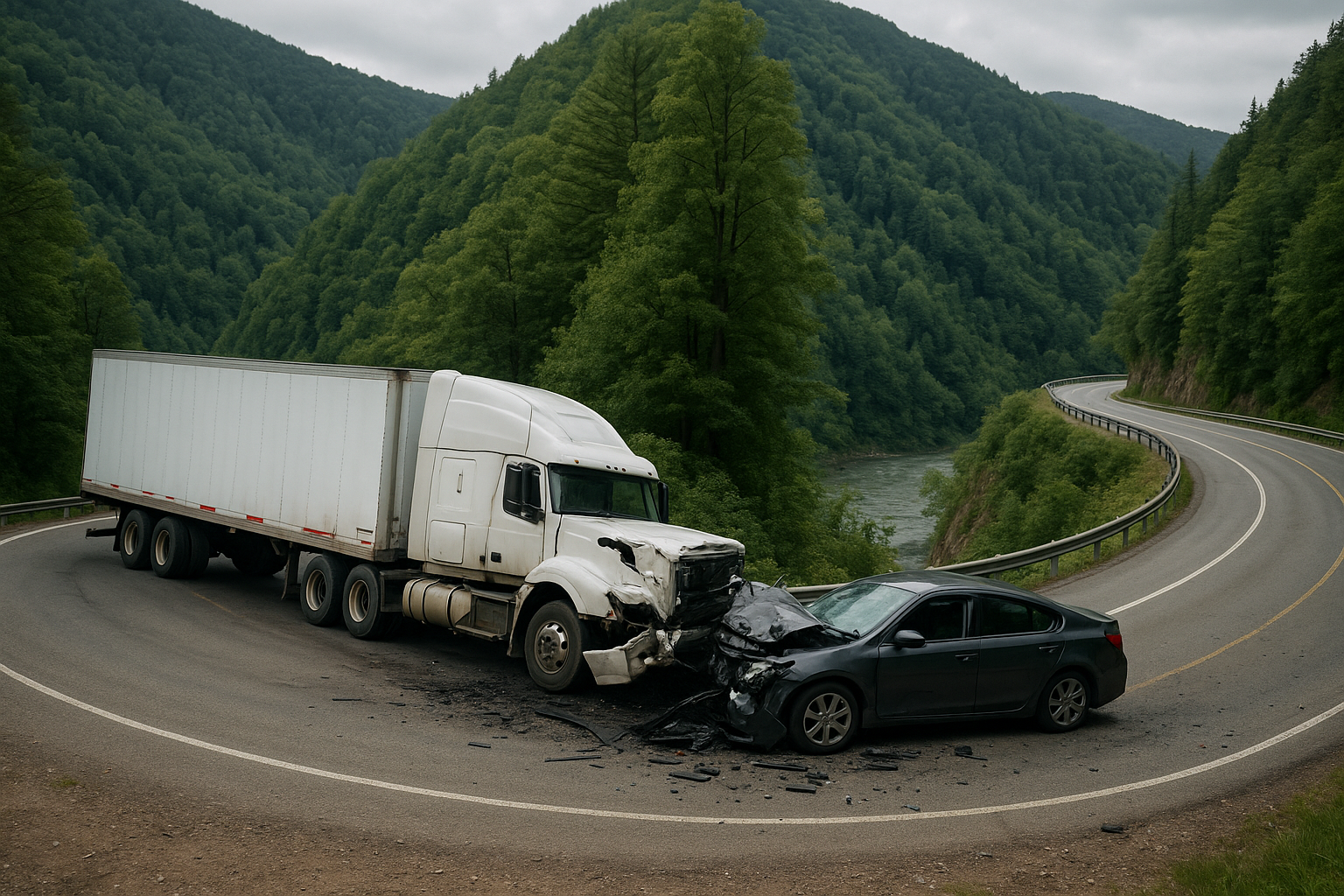
U-turns on Nepal’s winding mountain roads are deceptively dangerous. Picture a narrow, two-lane ribbon of pavement clinging to a steep hillside, hemmed in by rock faces on one side and sheer drops on the other. As a vehicle slows to negotiate a tight, often unbanked curve, its rear end swings wide—sometimes into the path of oncoming traffic. Limited sight-distance around blind bends means drivers rarely have time to react, and without continuous guardrails or reliable road-edge markings, a small misjudgment can send a vehicle careening down dozens of meters into ravines below.
Read More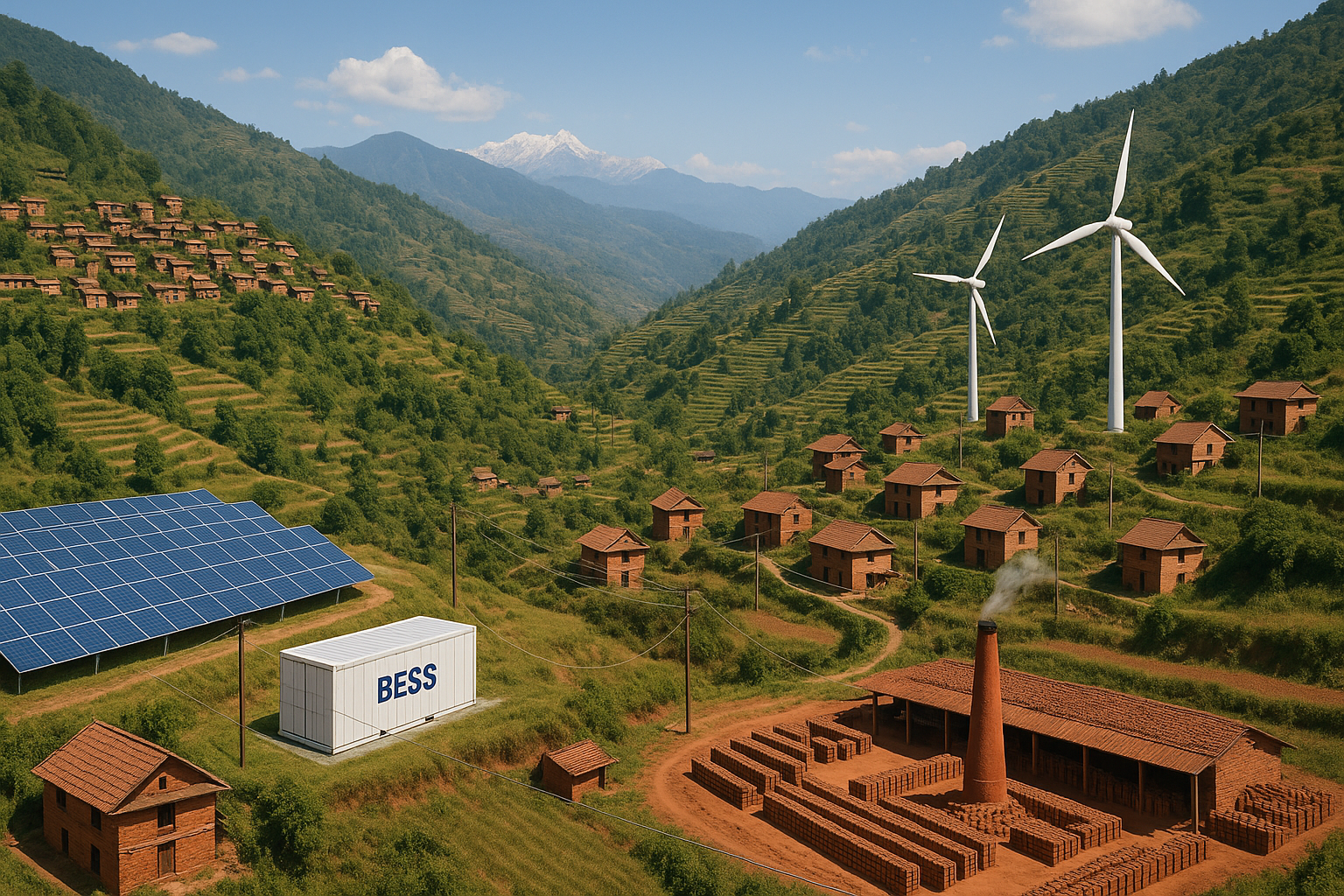
Nepal’s energy sector faces a series of systemic challenges that obstruct its path toward sustainable and inclusive energy access. These include a critical seasonal energy imbalance—where hydropower surplus in the wet season goes unused while dry seasons cause severe shortages—placing stress on both supply and infrastructure. The overdependence on run-of-river hydropower further exposes the grid to seasonal vulnerabilities. Rural and remote areas, especially in hilly regions, continue to suffer from unreliable electricity due to poor transmission infrastructure, leaving approximately 300,000 people without basic access. Moreover, the lack of distributed energy resource utilization (such as solar and wind) and the absence of automated energy-sharing mechanisms prevent efficient redistribution and diversification of energy across the country.
Read More
Lorem ipsum dolor sit amet consectetur adipisicing elit. Accusamus sit quo fugiat? Ipsa ipsum ut aperiam molestias necessitatibus, modi, repudiandae laboriosam debitis enim aliquam totam.
Read More
Nepal’s energy sector faces a series of systemic challenges that obstruct its path toward sustainable and inclusive energy access. These include a critical seasonal energy imbalance—where hydropower surplus in the wet season goes unused while dry seasons cause severe shortages—placing stress on both supply and infrastructure. The overdependence on run-of-river hydropower further exposes the grid to seasonal vulnerabilities. Rural and remote areas, especially in hilly regions, continue to suffer from unreliable electricity due to poor transmission infrastructure, leaving approximately 300,000 people without basic access. Moreover, the lack of distributed energy resource utilization (such as solar and wind) and the absence of automated energy-sharing mechanisms prevent efficient redistribution and diversification of energy across the country.
Read More